
| Lot: | 66 |
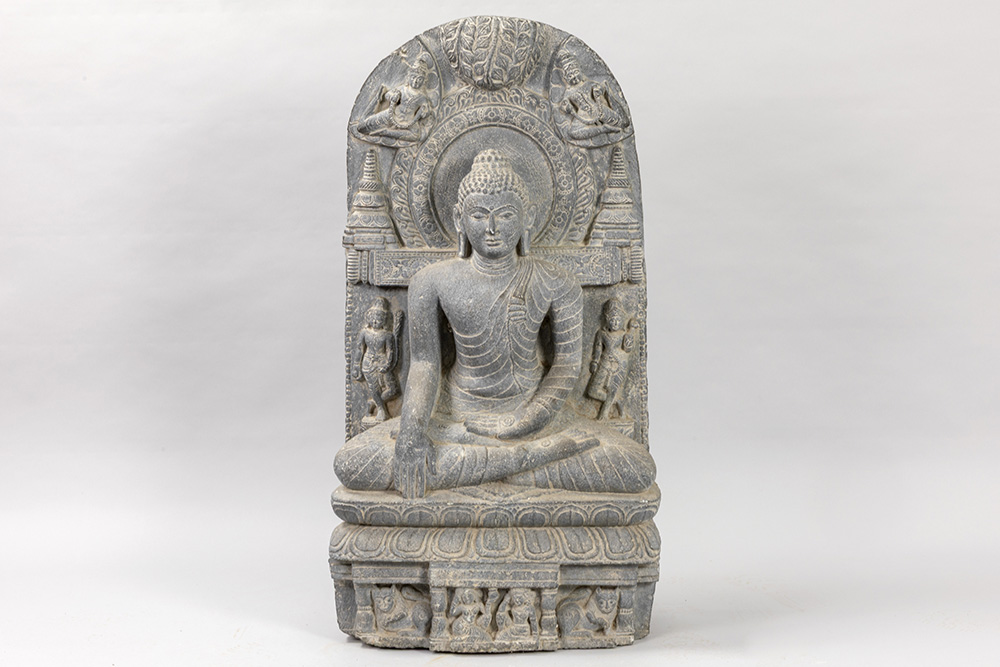
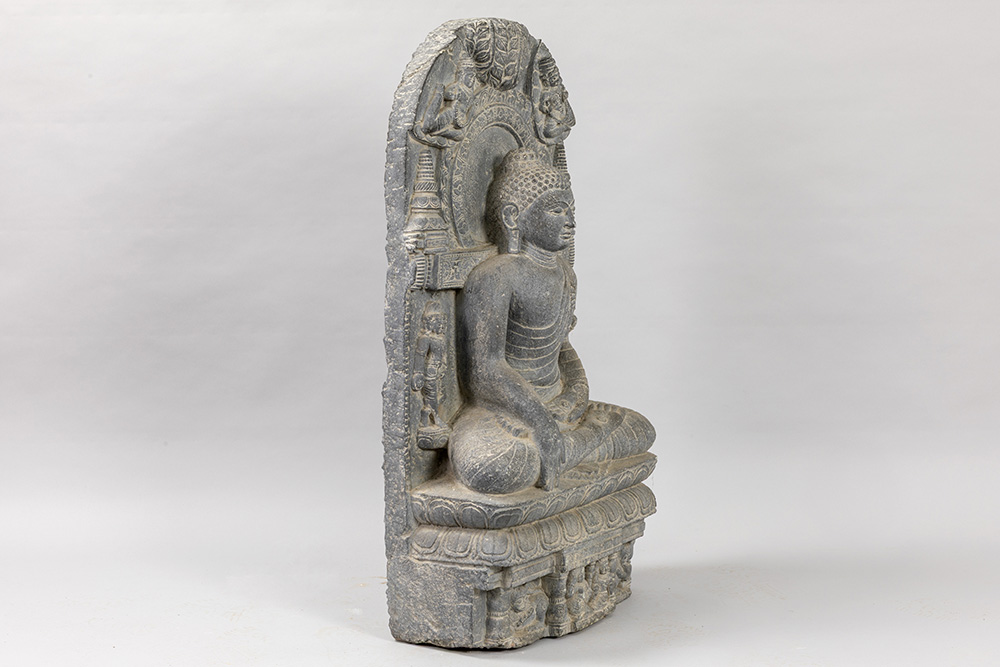
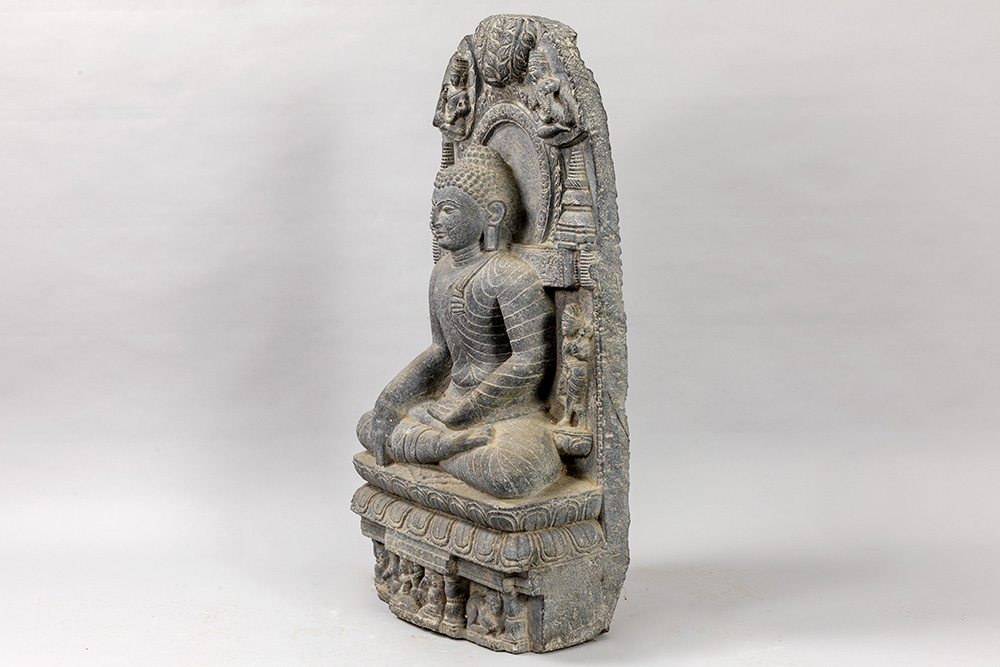
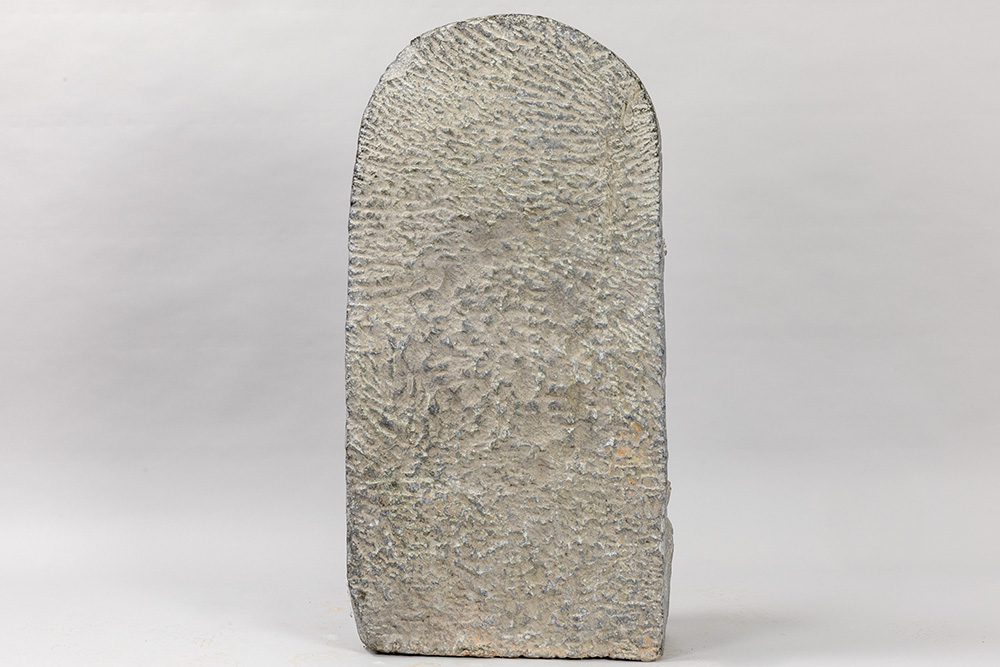
NOORD-OOST INDIA – PALA PERIODE – 11°/12° EEUW stèle (92 x 50) in zwarte hardsteen met de voorstelling van Boeddha Sakyamuni, zittend op een dubbele lotustroon in dhyanasana, de linkerhand in dhayan mudra (meditatiegebaar) en de rechterhand in bhumisparsha (de aarde als getuige nemend). Het gezicht in een serene gelaatsuitdrukking, langgerekte oorlellen en het haar gerangschikt in cirkelvormige krullen en het hoofd omringd door een bladvormig aureool. Het lichaam is bedekt met een nauwe sanghati. Boeddha bevindt zich in de staat ‘parinirvana’ en wordt bovenaan geflankeerd door twee apsara’s (hemelse nimfen) en aan weerszijden door volgelingen. De sculptuur is een typisch voorbeeld van de Pala-beeldhouwkunst die ontwikkelde uit Griekse, Syrische en Perziche sculpturele tradities. Pas vanaf de 10° eeuw werd er kledij, juwelen en achtergrond aangebracht in de Pala sculpturen
| Auctionday | 20/06/2026 - 11:00 |
| Estimation | 6000 - 8000 euro |